.jpeg)
If you are a Shopify store owner, you definitely love the thrill of a new order. It is all rainbow and sunshine until the dreaded return request comes in. Frustrating right?
You might have done everything right from your end: listed your products, marketed them well, and successfully convinced someone to hit that “Buy Now” button. But a week later, the item is on its way back, and you are there wondering, “What did I even do wrong?”
The reality is that product returns are an unavoidable part of e-commerce. whether it’s a sizing issue, unmet expectations, or a last-minute change of heart, customers return products for all sorts of reasons.
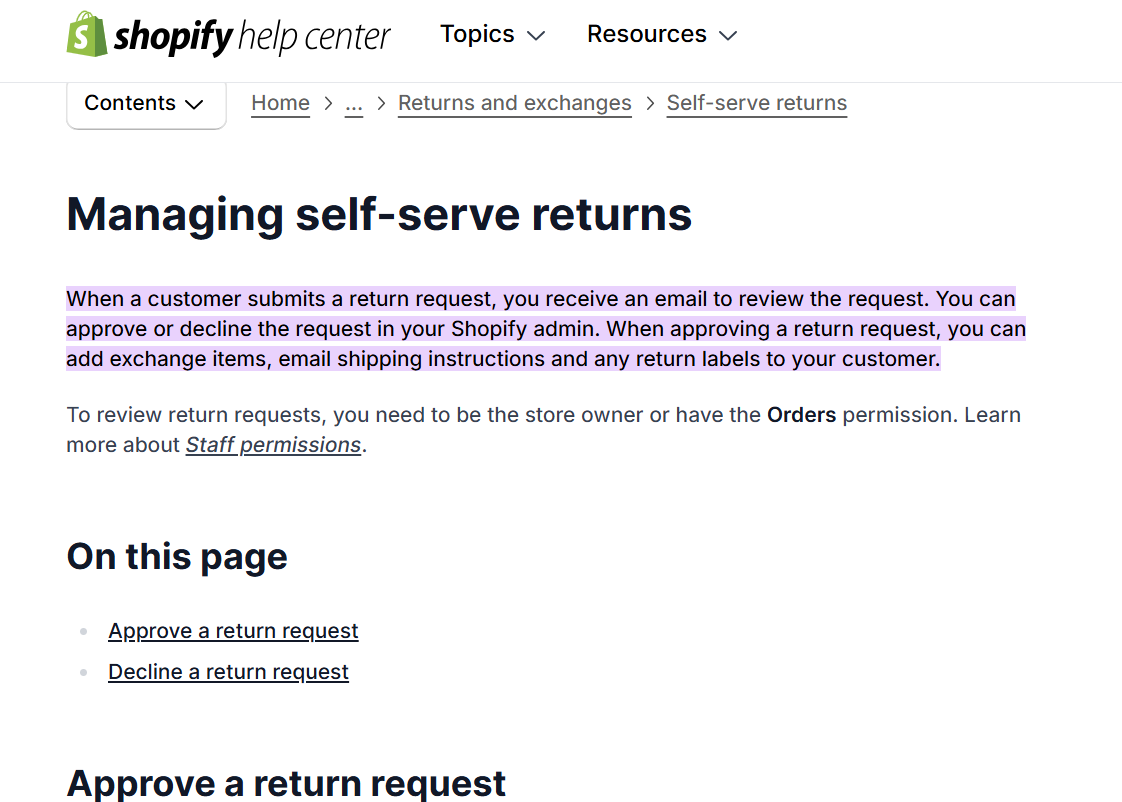
While you cannot eliminate returns entirely, you can control how you handle them and reduce their frequency.
The key to doing this is understanding why customers send products back in the first place. When you know the common reasons behind returns, you can take proactive steps to prevent them, improve customer satisfaction, and protect your bottom line,
In this guide, we’ll break down the seven most common reasons for product returns on Shopify and, more importantly, how to handle them like a pro.
One of the most common reasons customers return items is that the product doesn’t meet their expectations. This usually happens when product images, descriptions, or details fail to represent the item accurately.
If a customer returns an item due to unmet expectations, process the return promptly. Under Settings> Policies in Shopify, you can set up a clear return policy to guide customers through the return process. You can also offer store credit instead of refunds, which can help retain revenue.
Incorrect sizing is a top reason for returns on clothing, footwear, and accessories. Customers may order their usual size only to find that it runs too small or too large.
Shopify has a built-in feature to handle returns. If a customer wants to return an item because of the size, offer a simple exchange instead of a refund. This helps keep the sales and makes shopping easier for them.
Receiving a damaged or defective product frustrates customers and can harm your brand’s reputation. This issue often stems from poor packaging, manufacturing defects, or mishandling during shipping.
If a customer reports a damaged item, apologize and offer either a replacement or a full refund immediately, as returning the product can be a hassle. Use Shopify’s Returns Management feature to track defective products and identify patterns.
Mistakes happen; sometimes, customers receive the wrong item due to warehouse errors. This can be frustrating for them and costly for your business, especially if it leads to negative reviews or lost trust.
If a customer receives the wrong item, cover the return shipping cost and expedite the correct product. Shopify’s Self-Serve Returns feature lets customers initiate returns effortlessly.
Sometimes, customers simply change their minds. Maybe they bought something impulsively or found a better deal elsewhere.
Since Shopify allows you to customize return policies, you can set different policies for different product categories (e.g., final sale items). Instead of issuing refunds, consider offering store credit.
If a product feels cheap, looks different from its images, or doesn’t function as expected, customers are likely to return it.
Monitor return requests in Shopify’s Orders Dashboard to track which products have frequent quality-related returns. If multiple customers complain, updating the product listing or switching suppliers may be time.
Delayed shipping can be a deal-breaker for customers, especially if they need the product for a specific occasion.
If an order arrives late, apologize and consider offering a small discount or store credit as a goodwill gesture. Shopify’s Shipping Profiles let you adjust estimated delivery times per region to set better expectations.
While handling returns effectively is crucial, the best approach is to prevent them from happening in the first place. Here are some proven strategies:
Should I offer free returns?
It can boost trust and sales but may also increase returns. Weigh the benefits for your business.
How do I politely refuse a return that doesn’t meet the policy?
Be firm yet understanding: “We’re unable to process this return as it doesn’t meet our policy. Let us know if we can help in another way!”
How do I handle return policy abuse?
Flag frequent returners, set limits, or add a restocking fee for high-return items.
How can I reduce returns?
Improve product descriptions, add real customer photos, and use sizing guides.
Should I refund before receiving the item?
No, always inspect the item first. Consider requiring photos before approval.
What if a customer claims an item is damaged but won’t send proof?
Request photos. If they refuse, offer a partial refund or discount instead.
Remember that returns will always occur if you sell your products. How you handle those returns can make or break your customers' trust.
By understanding the root causes of returns and implementing proactive strategies, Shopify store owners can minimize losses, improve customer satisfaction, and build long-term loyalty.
Want to make returns less of a headache? The right strategies can help you keep customers happy and reduce losses.
But you don’t have to do it all alone. Digitorm has all you need to make managing your Shopify store easier. They help you stay on top of your business, from automation to analytics.
Discover why mobile marketing should be your top priority in 2025. Learn about the latest trends, from in-app ads to 5G, and how Digitorm can help you stay ahead!








.jpeg)
